 Bayo Adegunloye / Unsplash
 The Super-Predator's Delusion: how safety became our most dangerous export
We are the safest generation in human history. We are also presiding over the sixth mass extinction. These two facts are not a coincidence.
For two million years, the primary project of the genus Homo was to escape the darkness. The wolf at the door. The uncertainty of the harvest. The predator beyond the firelight.
We succeeded beyond the wildest dreams of our ancestors.
The sterilised landscape
We built fences. Eradicated predators. Engineered a food system of predictable abundance. We became the super-predator: the only species capable of systematically neutralising risk at a planetary scale.
But in doing so, we triggered a catastrophic paradox.
By eliminating the localised, acute fears that shaped our evolution, we inadvertently created a new, pervasive, and far more terrifying threat: Existential Fear. The collapse of biodiversity. The destabilisation of the climate. The rise of pandemics. These are the direct results of our obsession with control.
We traded the herd for the fortress. We traded the pack for the plague.
The Human Fear Baseline
The psychologist Jonathan Haidt calls it Safetyism: the cultural obsession with eliminating discomfort and risk. But Safetyism is not just a social phenomenon. It is an ecological one.
Our brains are still wired for the Pleistocene night. We scream at spiders. We flinch at snakes. The amygdala fires at ancestral threats with extraordinary efficiency. But the same brain dismisses the growing shadow of climate collapse, biodiversity loss, and systemic ecological failure.
We are exquisitely calibrated for Primal Fear and functionally blind to Existential Fear.
The cost of the fortress
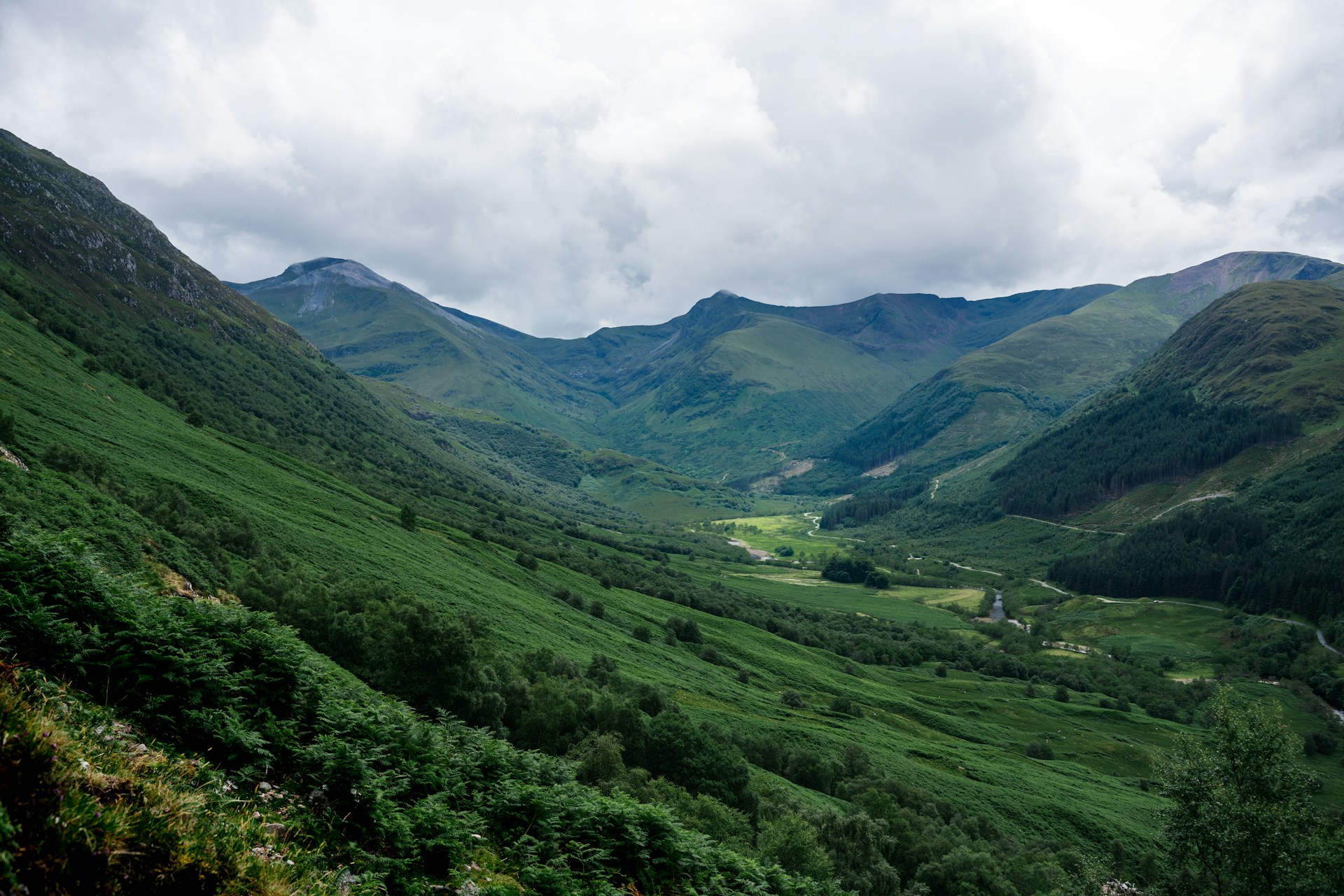
The Scottish Highlands are sold to the world as wilderness. A zoologist sees a wet desert: a degraded ecosystem stripped bare by deer that have no predator to fear. The “green and pleasant land” is a graveyard maintained by a fallacy.
This is what safety looks like when you scale it to a civilisation: a world of control that is structurally incapable of sustaining the complexity it depends on.
The question is not whether we can afford to let the wild back in. It is whether we can afford not to.