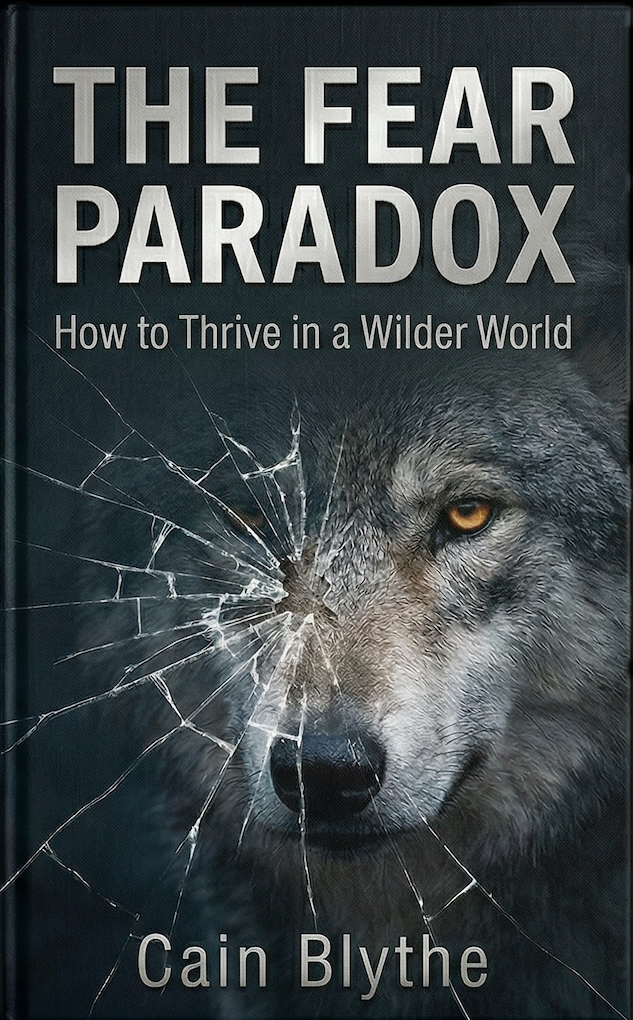
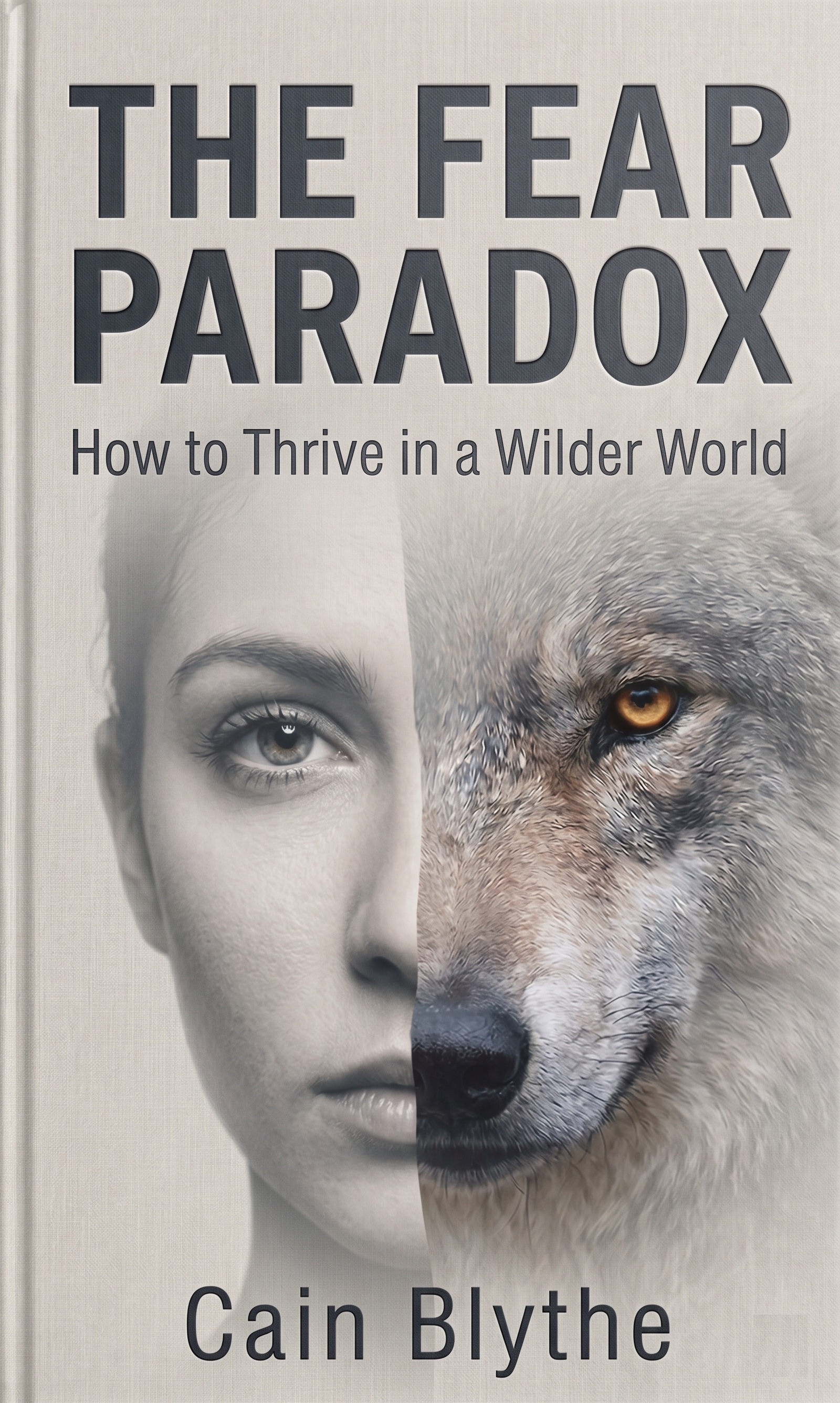
Why the Safest Generation in History Built the Most Fragile World
We eliminated the wolf at the door, and triggered a catastrophe. The Fear Paradox reveals that fear is not a pathology to be cured, but a vital ecological force that maintains the resilience of the planet. This is Sapiens meets The Sixth Extinction, but with a crucial difference: it offers a solution.
If one of these sounds like you, this book is written for you.
Readers of Sapiens, Thinking Fast and Slow, and Entangled Life: intellectually curious minds seeking unified theories
The eco-anxious and nature-loving: seeking hope grounded in science, not naive optimism
Business leaders and finance professionals grappling with climate risk and natural capital
Anyone who suspects that our quest for control has destabilised us, and wants to know what comes next
A fearless book
A brilliant and timely reframing of our relationship with the wild. Essential reading for anyone who understands that true resilience comes from embracing complexity and managed risk, rather than pursuing the illusion of total control.
The missing link between why rewilding works ecologically and how to scale it culturally and financially. Cain Blythe traces our species' evolutionary discomfort with wildness all the way through to the boardrooms where the future of the living world is now being decided.
Most books on nature finance achieve very little beyond a self-congratulatory sermon about moral superiority and the imperative to save nature from big bad business. Cain's doesn't. Read it. It might make you uncomfortable. The best books always do.
What's your Fear Baseline?
10 scenarios reveal your archetype: Sentinel, Catalyst, Diplomat, Architect, or Wanderer.
Afraid of what's lurking in the dark?
Step back whenever you like.
Our safety is an illusion. Our comfort is a carcinogen.
Drawing on neuroscience, ecology, and evolutionary psychology, chartered environmentalist and CEO Cain Blythe reveals the hidden architecture of fear: how predators sculpt landscapes, how risk powers resilience, and how our obsession with safety built the most fragile civilisation in history.
Why we scream at a spider but dismiss the climate crisis: the hijacking of the amygdala
How a single drop of wolf urine transforms entire ecosystems: the Landscape of Fear
Why putting Nature on the Balance Sheet is economic necessity, not altruism: the Wild Dividend
How AI, remote sensing, and digital shepherding let us coexist with the wild: the Augmented Wild
Standing on the shoulders of the biggest ideas in publishing
From the frontline of ecology and fear
Excerpts, arguments, and field stories that extend the book into an ongoing conversation.
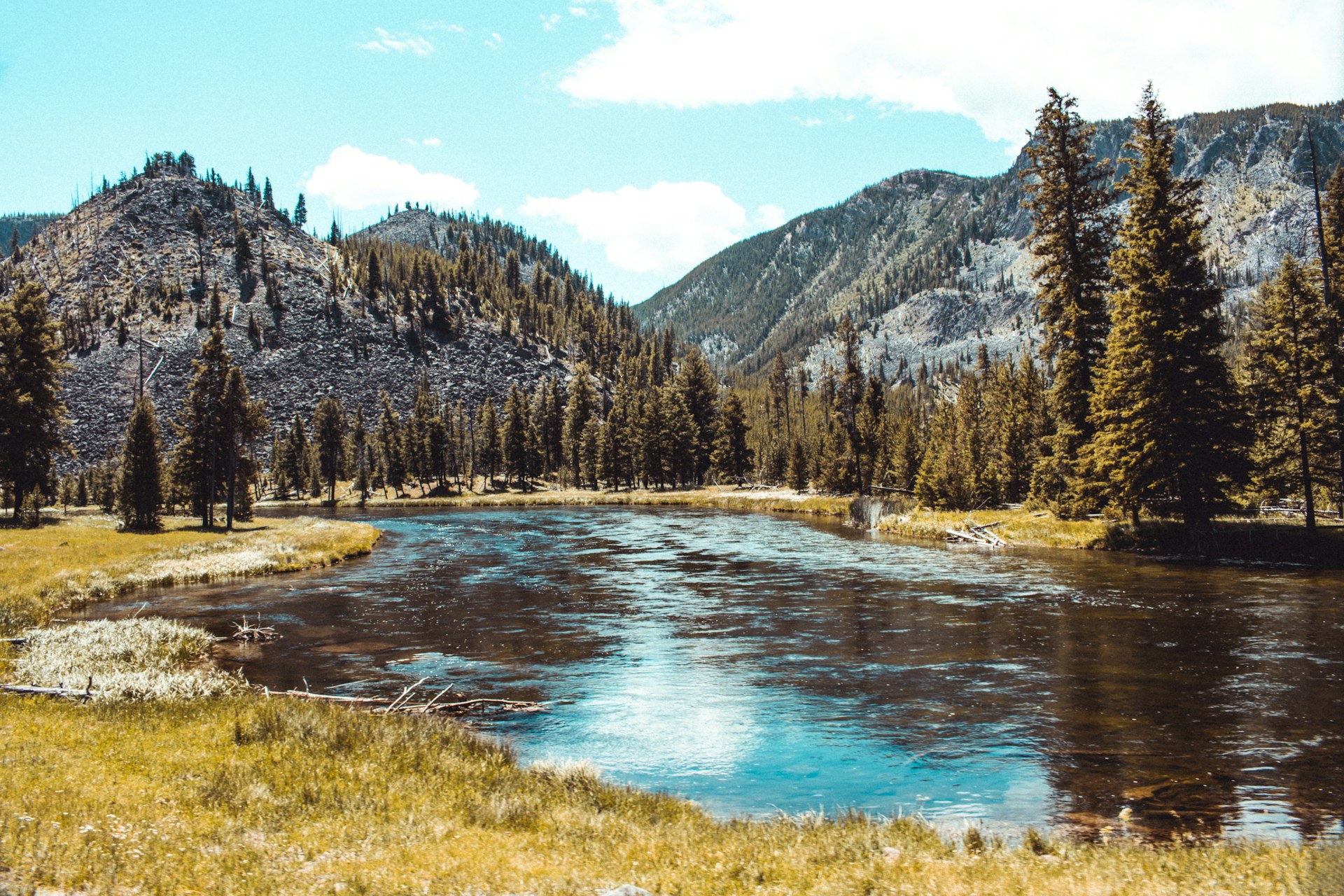
The Landscape of Fear: why terror is ecology's greatest architect
A single drop of wolf urine can transform a complacent herd into a hyper-alert unit. Fear does not just kill. It sculpts entire ecosystems.
The Super-Predator's Delusion: how safety became our most dangerous export
We are the safest generation in human history. We are also presiding over the sixth mass extinction. These two facts are not a coincidence.
I am not an observer of rewilding. I am one of its architects. I have released beavers, designed rewilding strategies spanning thousands of hectares, and sat in the boardrooms of major financial institutions translating ecology into the language of risk and return.
Cain Blythe, Chartered Environmentalist, CEO of Ecosulis and CreditNature
Get early access, chapter previews, and field dispatches
Be first to read the book that reframes humanity's relationship with fear, risk, and the wild.